OVERVIEW
Features:
Four hydraulically controlled ranges
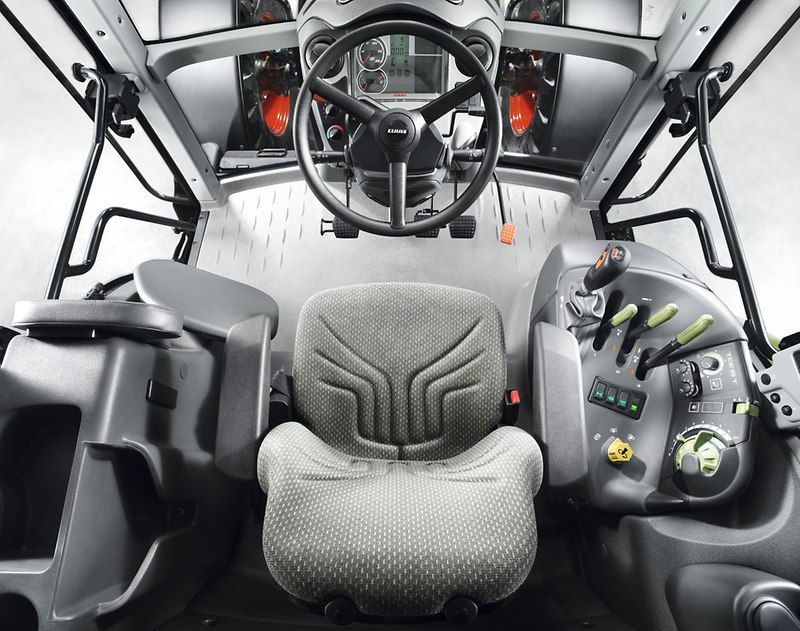
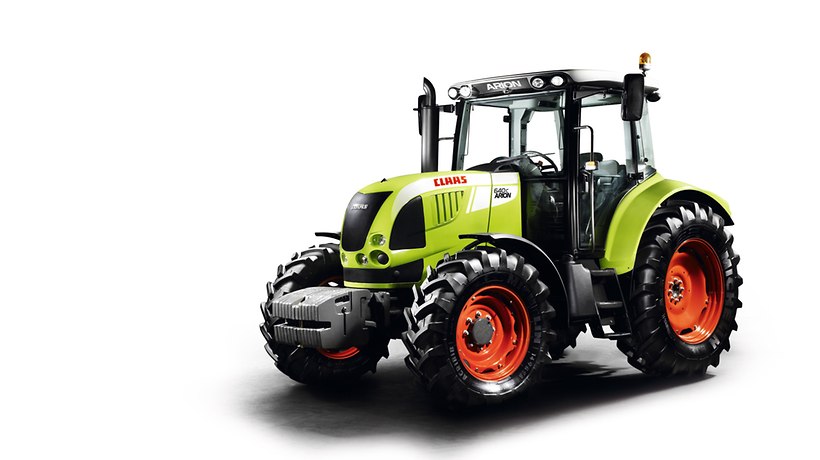
You don’t need a shift lever or clutch pedal to operate the ARION 600 C. Just touch the buttons on the hand throttle with your fingertips to shift effortlessly through all four powershift speeds and ranges.
State-of-the art 6.8-l-6 cylinder engines with turbocharger provide the ARION 600 C with impressive torque and enormous torque increase.
Powerful hydraulics with two circuits
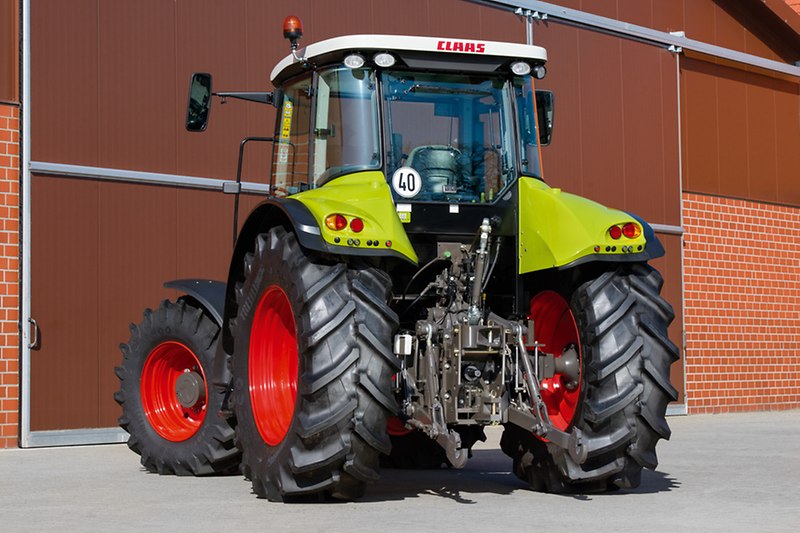
The hydraulics system has two selectable circuits and up to three auxiliary spool valves. The wide range of hitching options – for example a swinging drawbar or Piton Fix – offers great flexibility.
The rear linkage can handle max. 6.9 t at the ball ends and is digitally controlled. The 98-l hydraulic pump enables you to use a hydraulic spool valve and the rear linkage at the same time. So you can equip your ARION 600 with various implement combinations to increase your work rate and significantly reduce working hours and costs.
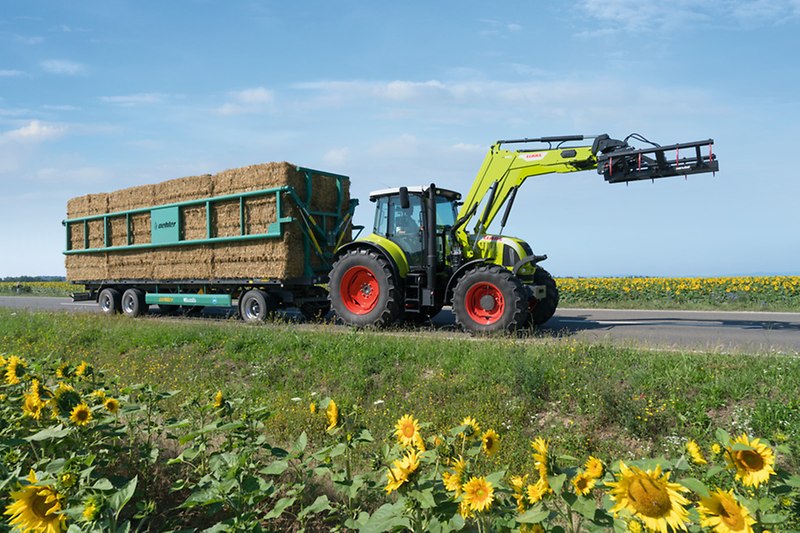
The front linkage is fully integrated and equipped with folding lift arms. With reduced spacing between the ball ends and front axle, it is ideal for any task requiring precision ground tracking. In combination with the front PTO shaft, the front linkage offers exceptional versatility.
Operator assistance systems
Thanks to ISOBUS-enabled terminals from CLAAS, you can control different ISOBUS implements from the comfort of your cab. There’s no need to change the terminal when changing implement – it stays safely in the tractor cab and each implement is controlled via a dedicated screen on the monitor.
The three mobile terminals offered by CLAAS provide flexible solutions for your steering and ISOBUS systems. You can easily transfer the terminals from one machine to another depending on the season or the task. You can choose the factory-fitted or retrofitted system for your ARIO 600 C which best suits the needs of your farm.
Steering systems take the pressure off the driver
Steering systems improve the quality of your work by automatically steering your tractor along the best possible path. This helps to eliminate errors and overlapping and allows you to make savings on diesel fuel, machine costs, fertiliser and crop protection products.